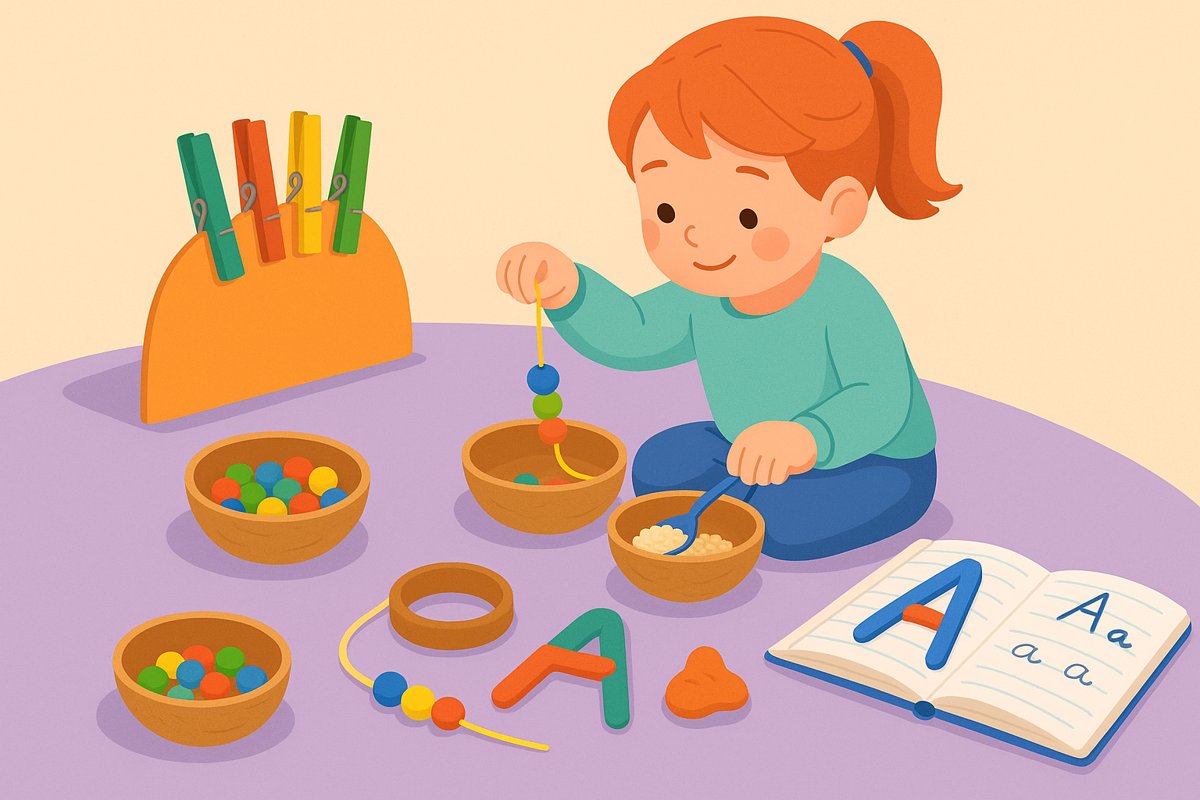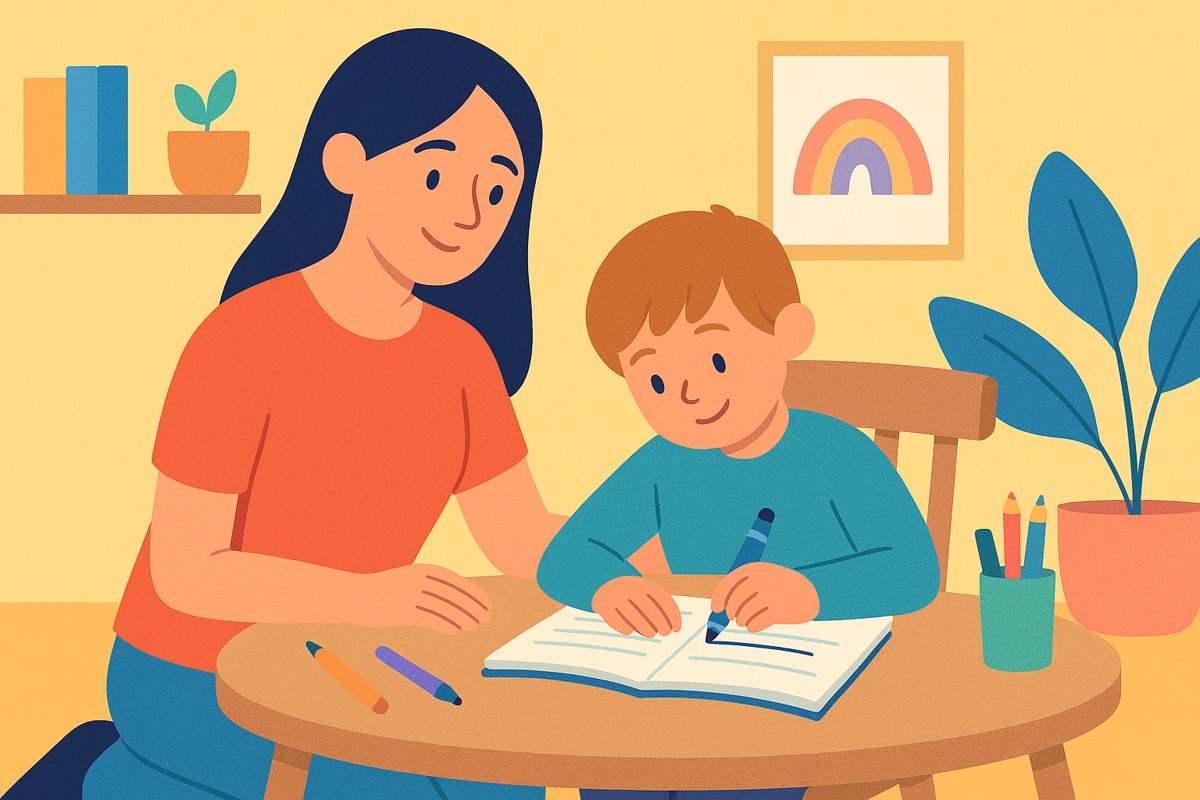
How many children are afraid to write... just because they're afraid of making mistakes? What if we changed our perspective? Valuing the right to make mistakes in learning to write means unleashing creativity, restoring confidence, and encouraging progress. Here's why—and how—it's essential.
😬 When writing becomes a source of stress
Many children associate writing with failure: crossings out, comments, underlined errors... The result? They hesitate to start, or write very little, for fear of doing it wrong.
- “I’m going to fail.”
- “It’s ugly.”
- “I’d rather write nothing than make a mistake.”
But learning necessarily involves trial and error. And writing is learned… through trying, repeating, and making mistakes.
✅ Mistakes: a driver, not a fault
In a benevolent approach, like the Montessori or Freinet methods, mistakes are not punished: they are analyzed and integrated.
- They show what still needs to be reinforced.
- They prove that the child tried.
- They are part of the path to mastery.
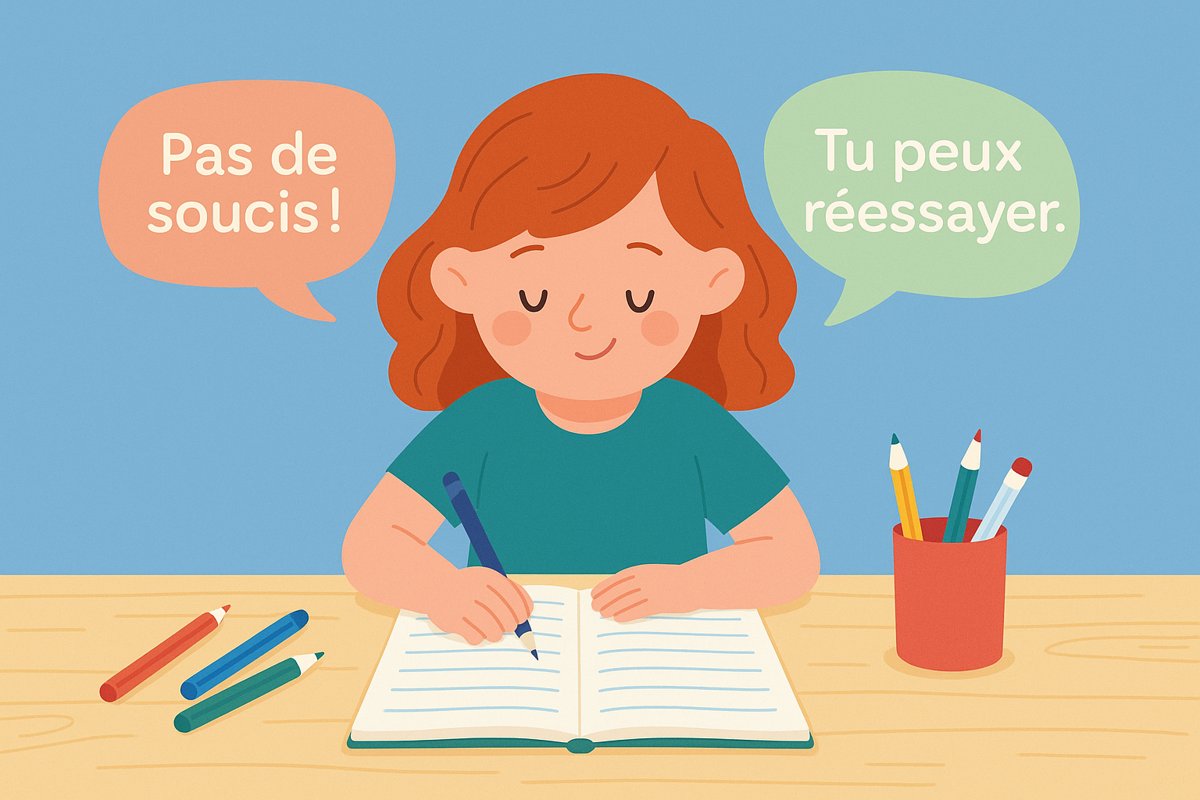
Valuing mistakes is telling the child: "you have the right to try." It's also what allows for lasting learning, without fear, without blockage.
🖊️ How to create an environment where mistakes are allowed?
Sometimes, small concrete changes are enough to transform a situation:
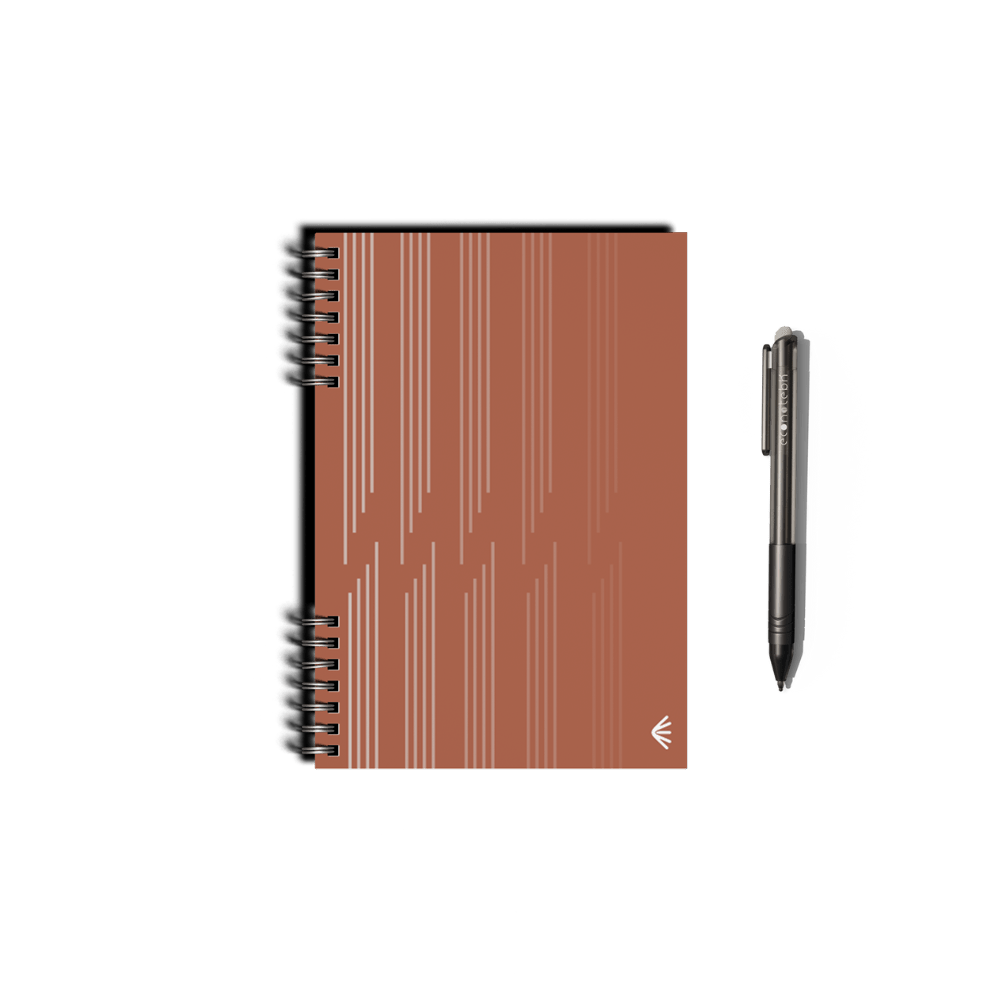
- Use an erasable pen rather than a permanent one
- Offer activities without grades or judgment
- Remind them that everyone makes mistakes (even adults!)
👉 And above all: adopt tools that facilitate the right to try.
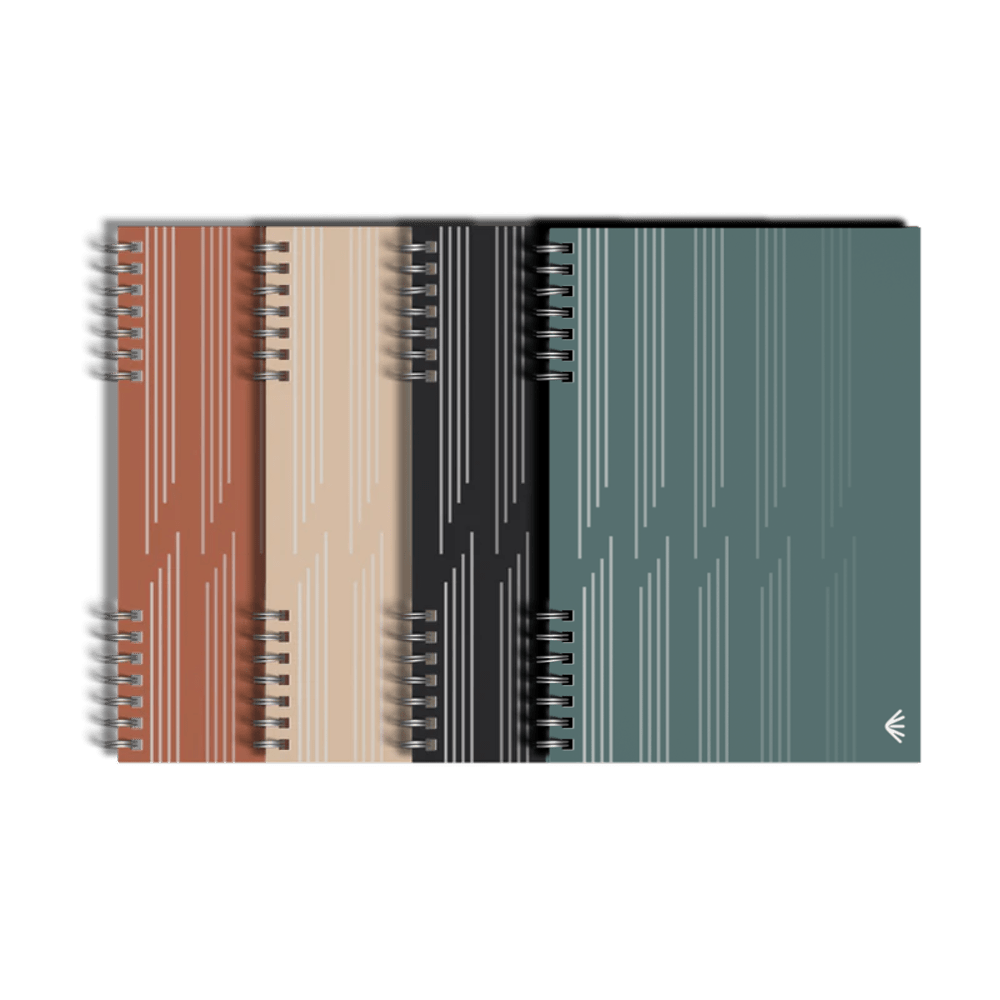
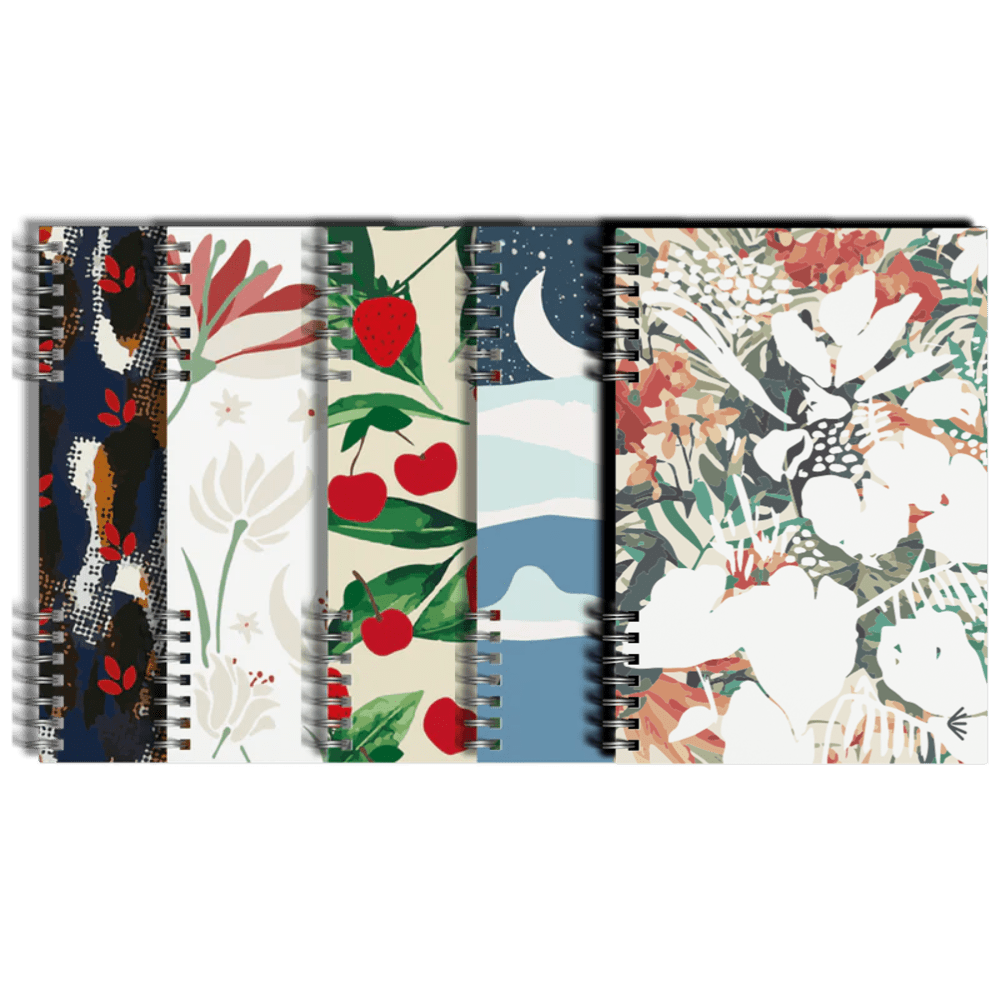
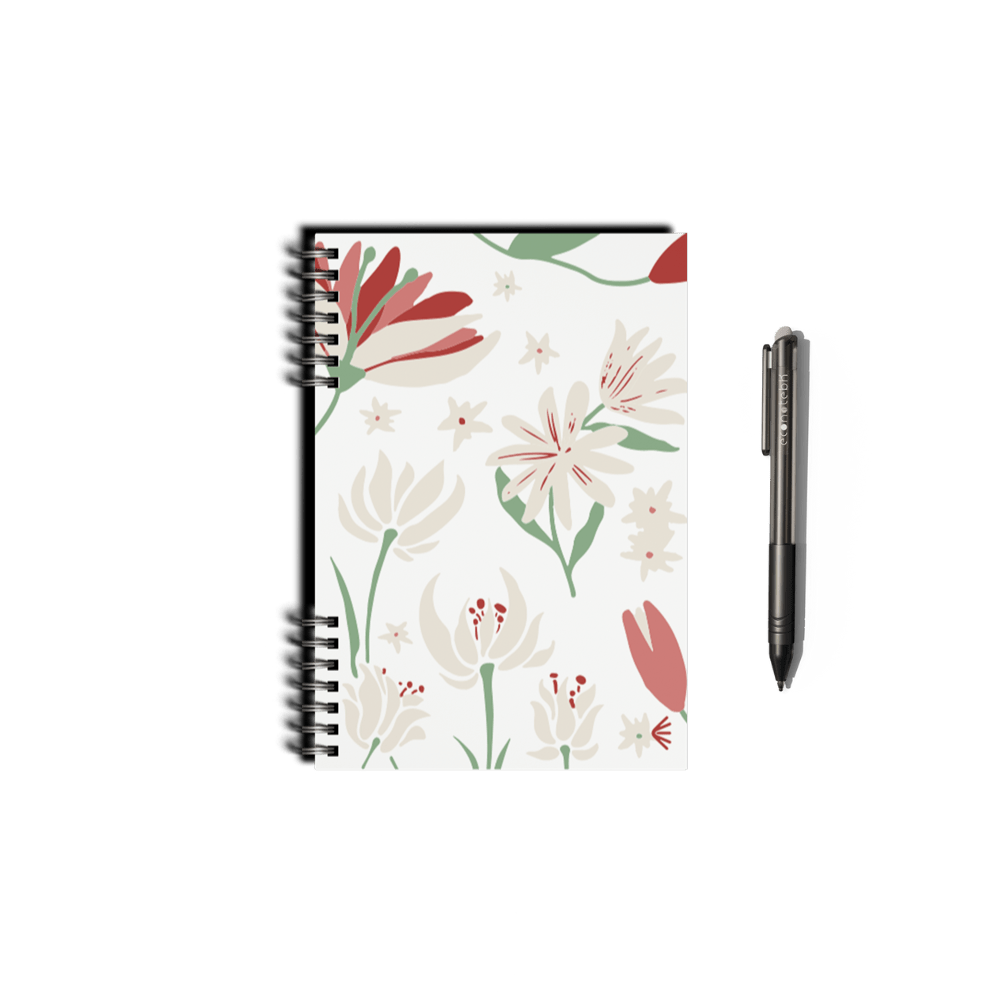
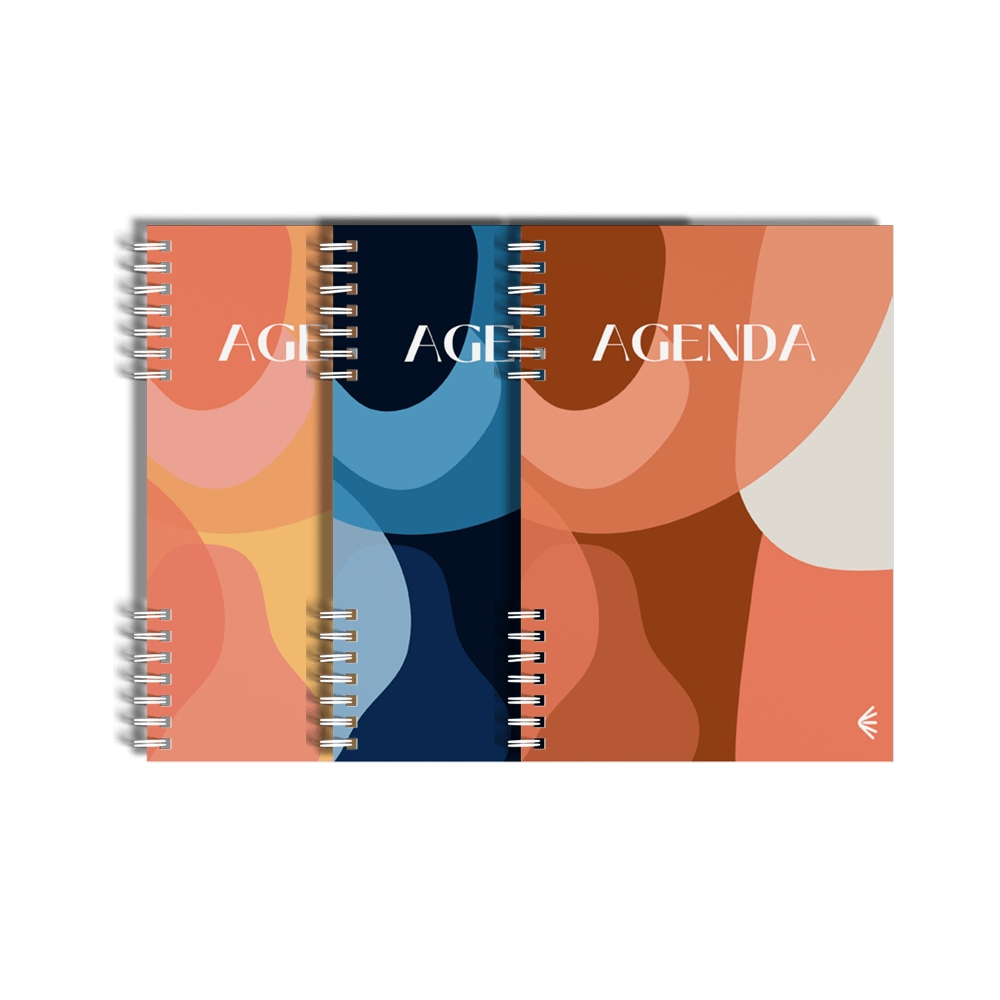
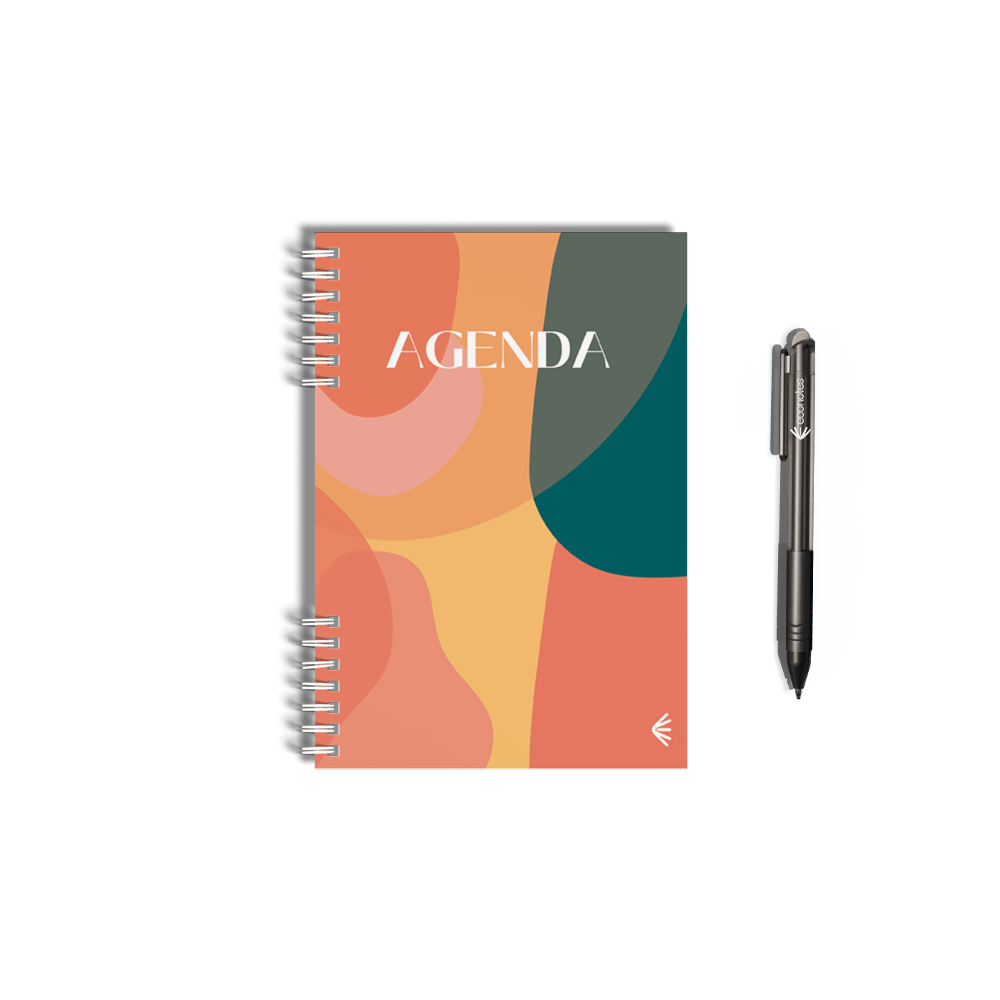
📒 ETEA: a notebook designed for making mistakes (and starting over)
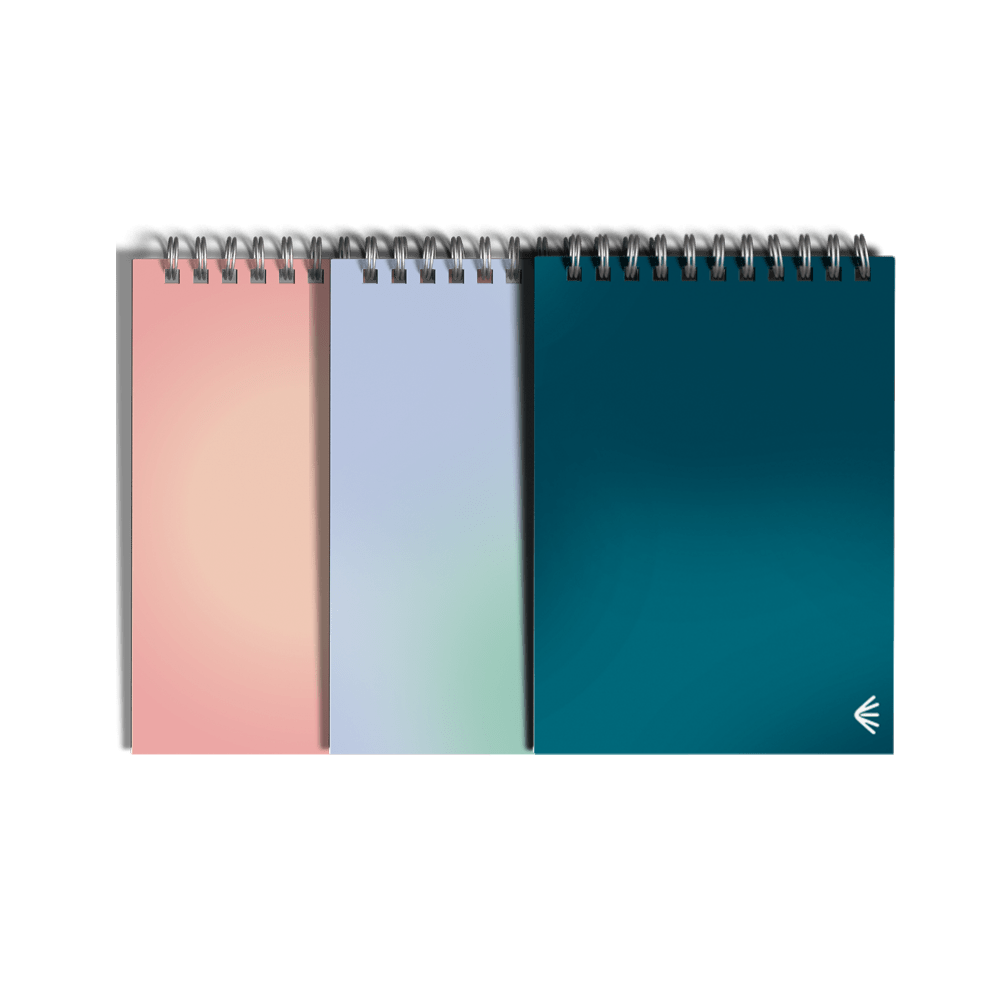
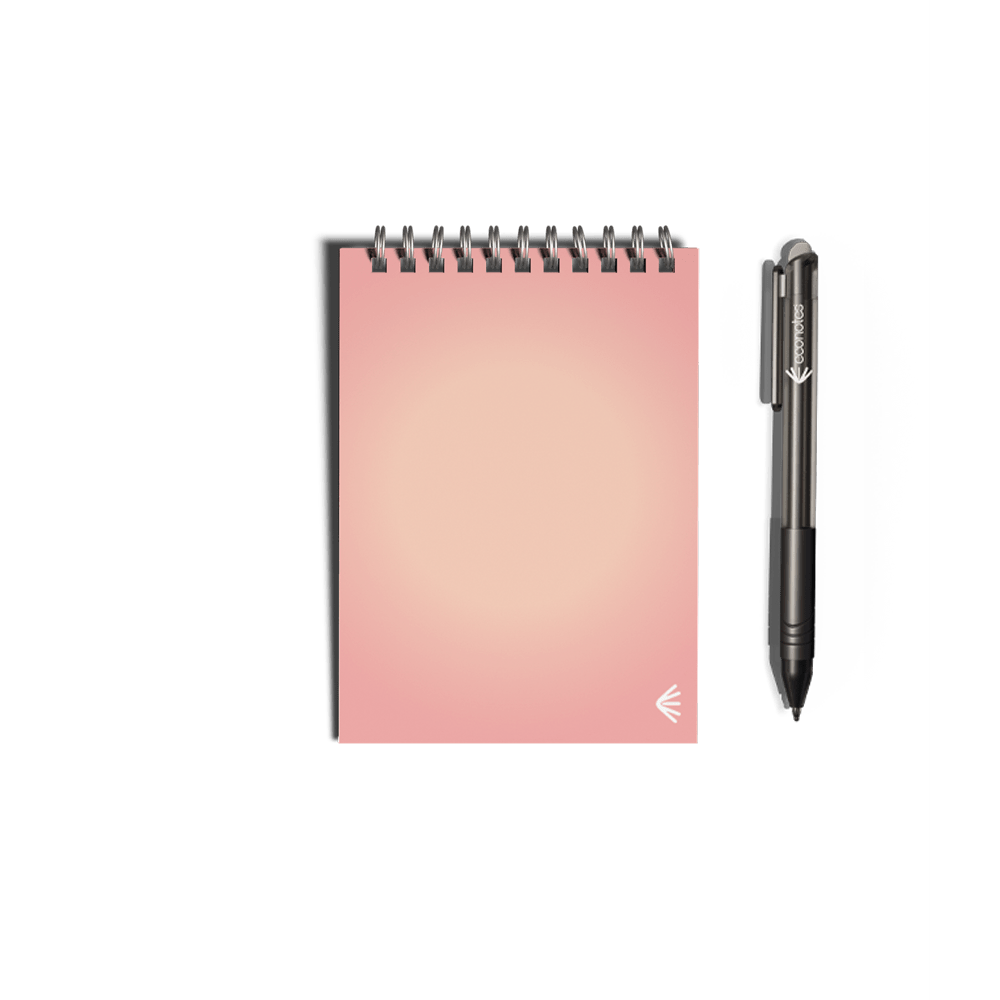
The reusable ETEA notebook is designed for this:
- The child writes, erases, and starts over, without pressure
- They learn through iterations, like a game
- They understand that failure is never definitive
This support allows children to write as much as they want, without waste and without fear. Writing becomes a free, curious, uninhibited experience again.
💬 What parents say
“My son never dared to write a word if he wasn't 100% sure. Today, he writes everything that comes to mind, because he knows he can erase it.”
— Julie, mother of a kindergarten child
“It's the first time a tool has reassured my daughter so much. The fact that she can practice as many times as she wants is great.”
— Alexis, father of a first-grader
👉 What if we changed our relationship with failure?
Accepting to make mistakes is accepting to progress. This is the heart of the ETEA approach. A reusable, benevolent, eco-responsible notebook that places trust at the center of learning.
🌟 The ideal companion for starting to write
Discover the reusable ETEA notebook, designed for learning to write with confidence, valuing the right to make mistakes and autonomy.