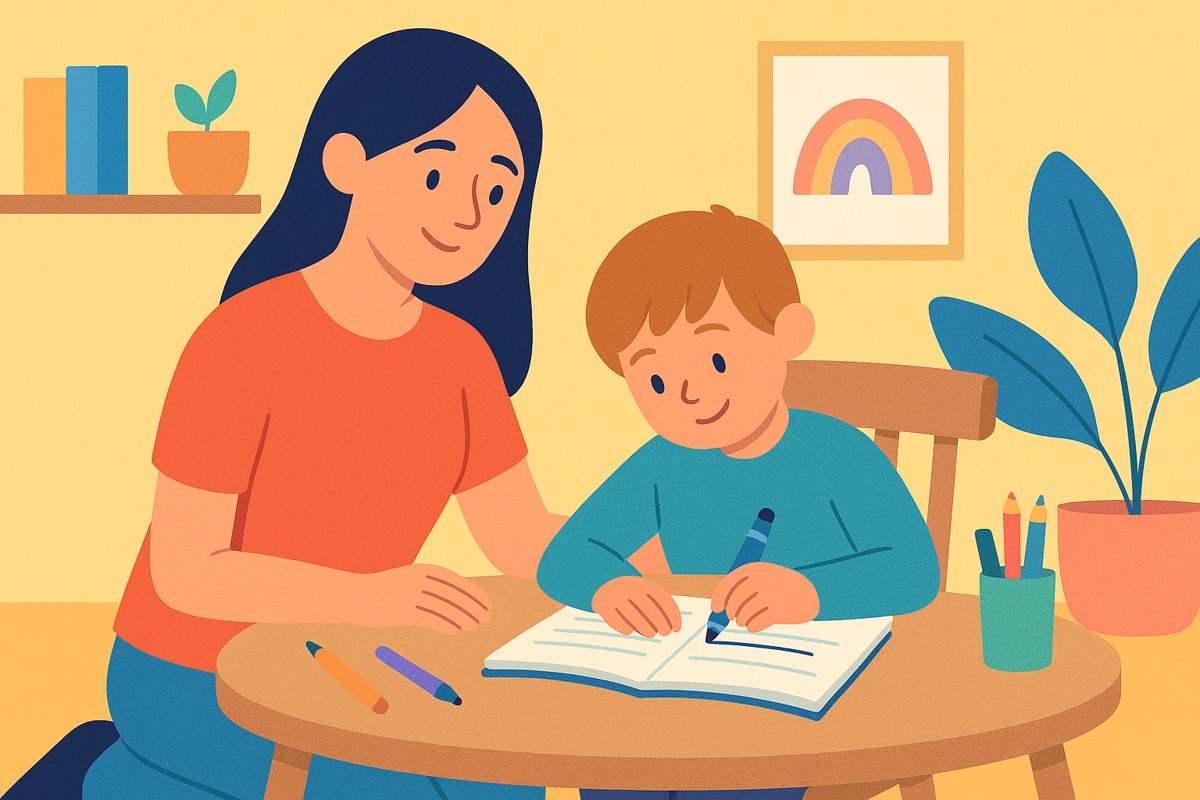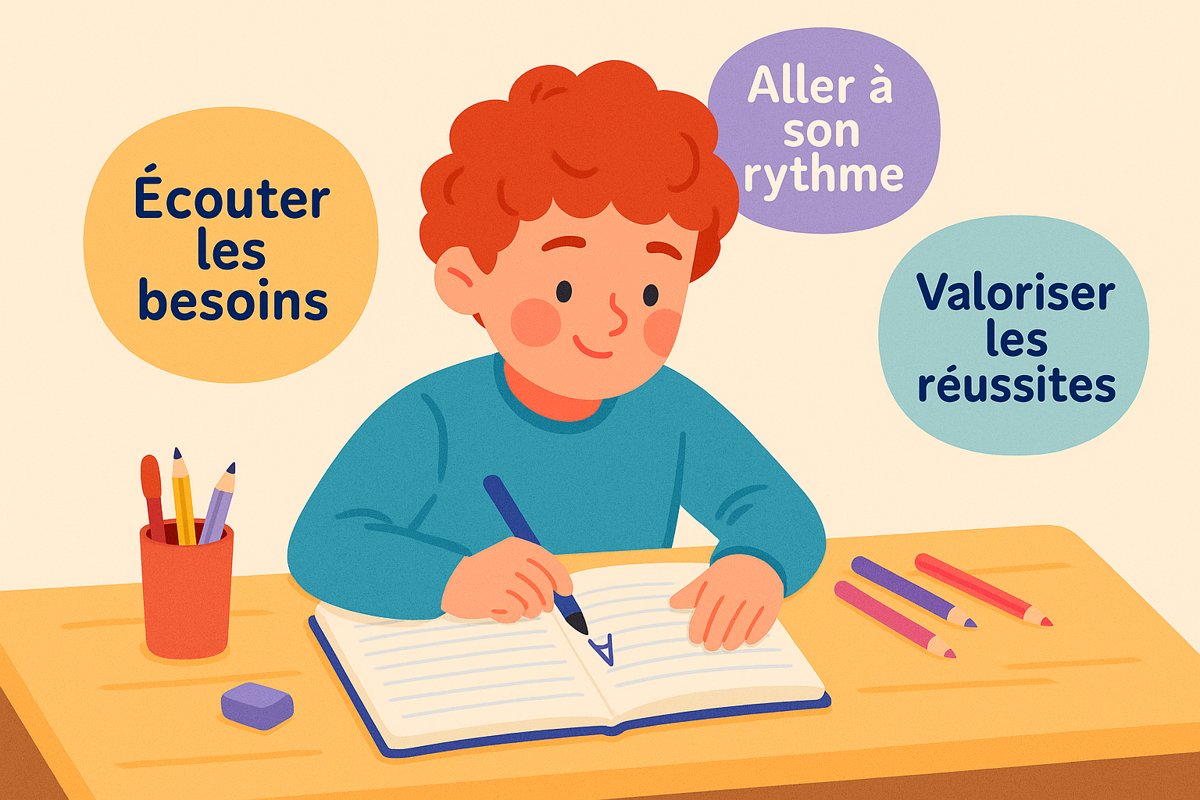

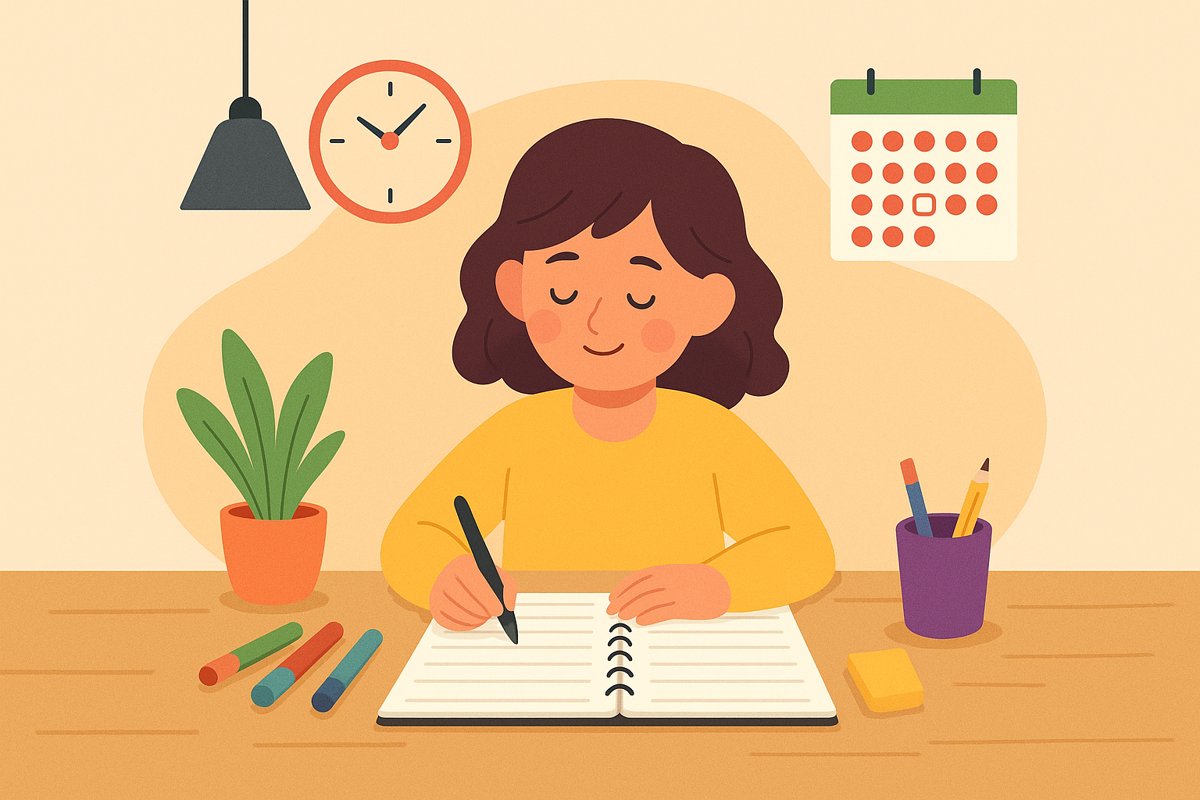
It's not always easy to help your child write regularly at home, especially when you're pressed for time. But with a little method (and a lot of gentleness), it's possible to establish simple, short, and effective writing routines that don't generate conflict or overload.
💡 Why set up a routine?
Children, like adults, need landmarks. A short daily or weekly writing session, even a very brief one, allows them to:
- create a stable habit
- avoid resistance (“I don't want to…”)
- progress without pressure, day by day
👉 And above all: it transforms writing into a shared moment, not an imposed chore.
🖍️ 1. The word of the day (or week)
Each day or week, choose a word together to write, decorate, repeat, illustrate. This word can be related to a theme, a season, an emotion, or an event of the day.
- Example: "joy," "forest," "friend"
- You can then copy it, write it in uppercase, cursive, or even surround it with drawings
📅 2. The weekend card
Every Sunday evening, invite your child to write a mini "postcard" from the weekend. Three sentences are enough: "This weekend, I...", "I liked...", "I would like to do again..."
An excellent way to work on written expression without realizing it.
🔠 3. The letter challenge
Choose a letter (at random or according to the alphabet), and the child must write:
- a capital letter
- a lowercase letter
- a word starting with that letter
You can find more ideas in this article on fine motor skill games.
📝 4. The all-purpose notebook
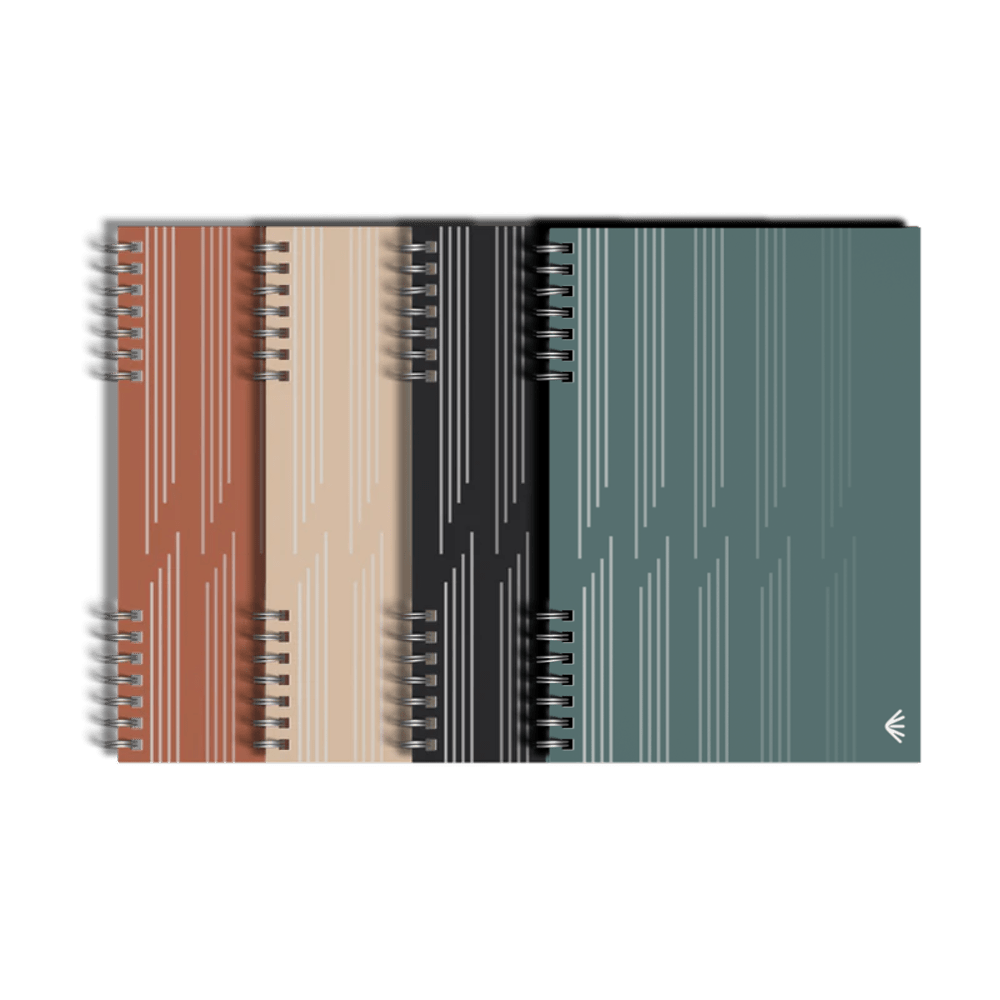
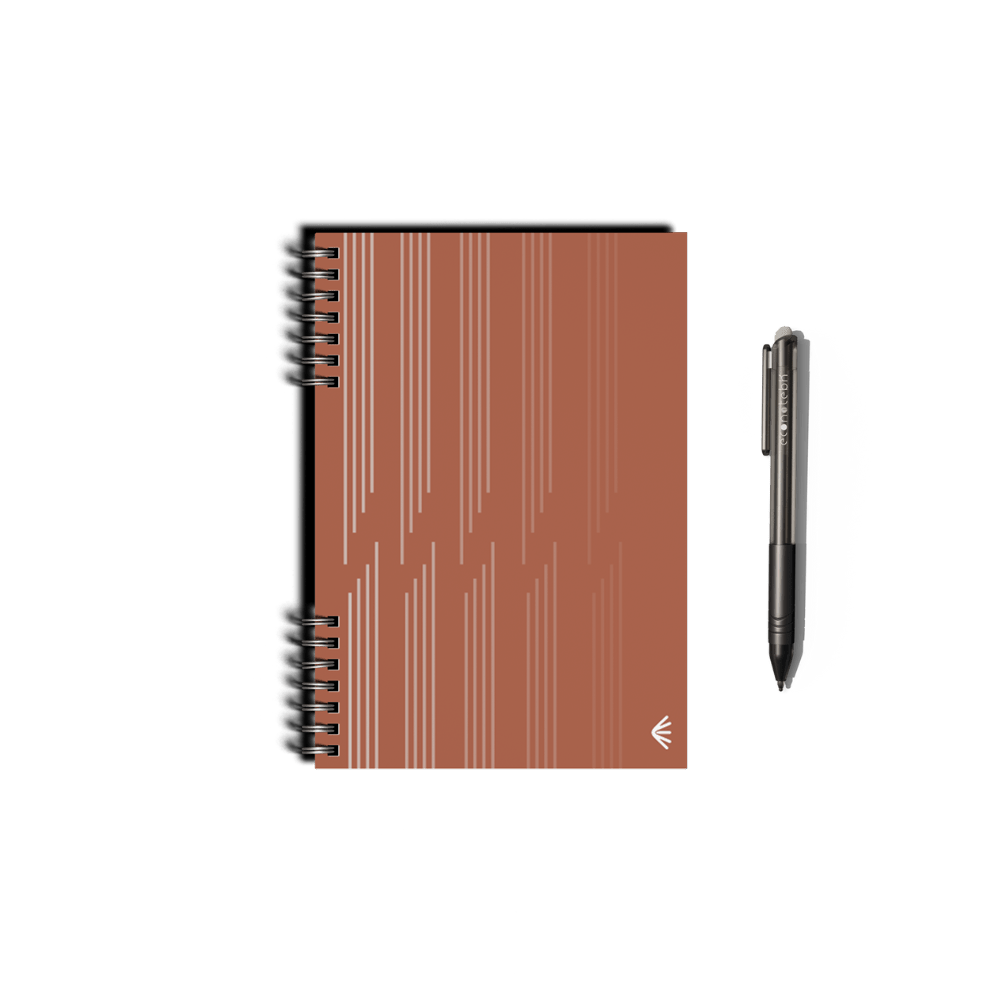
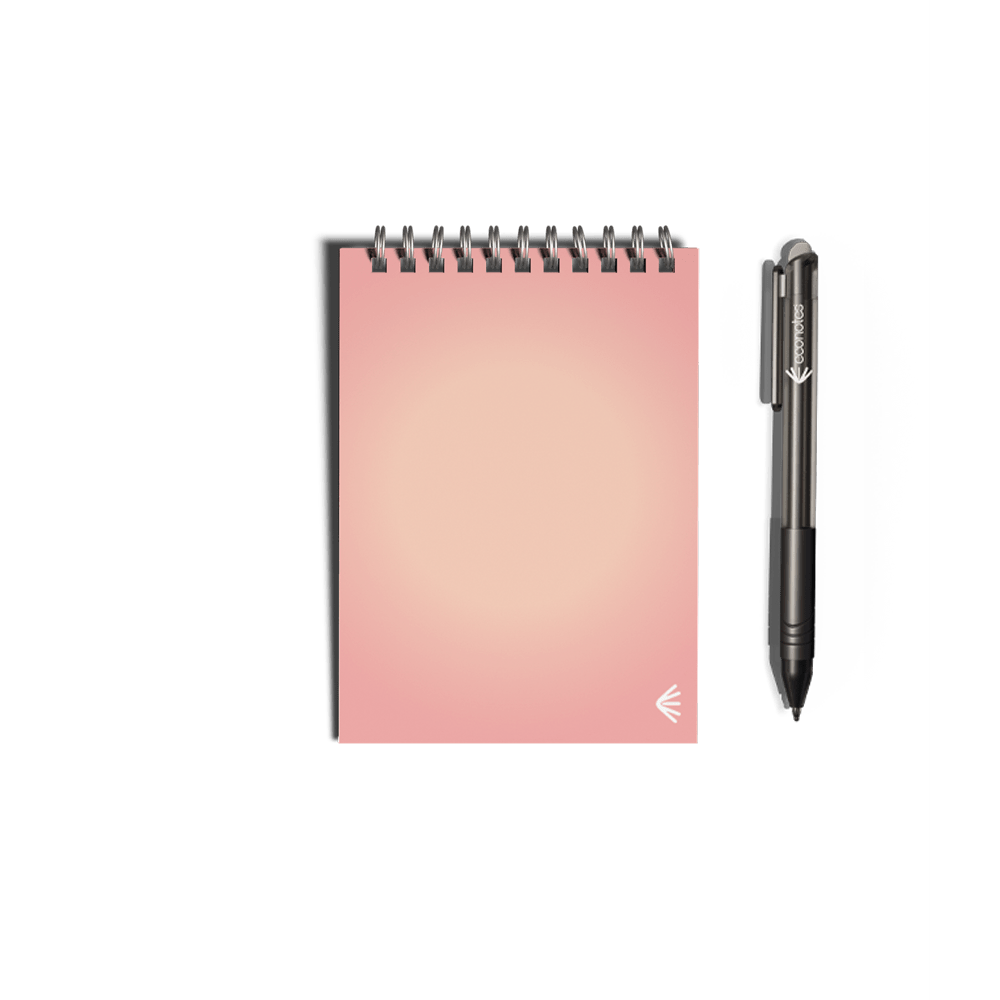
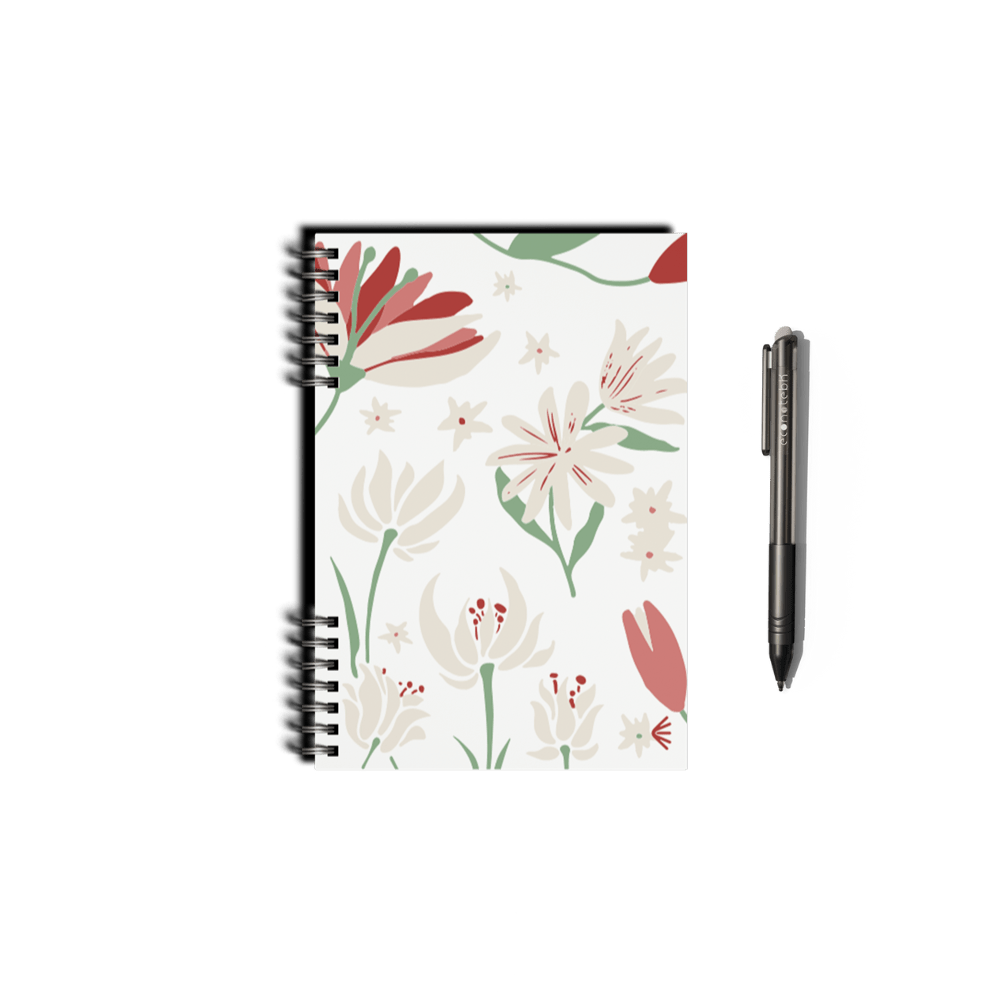
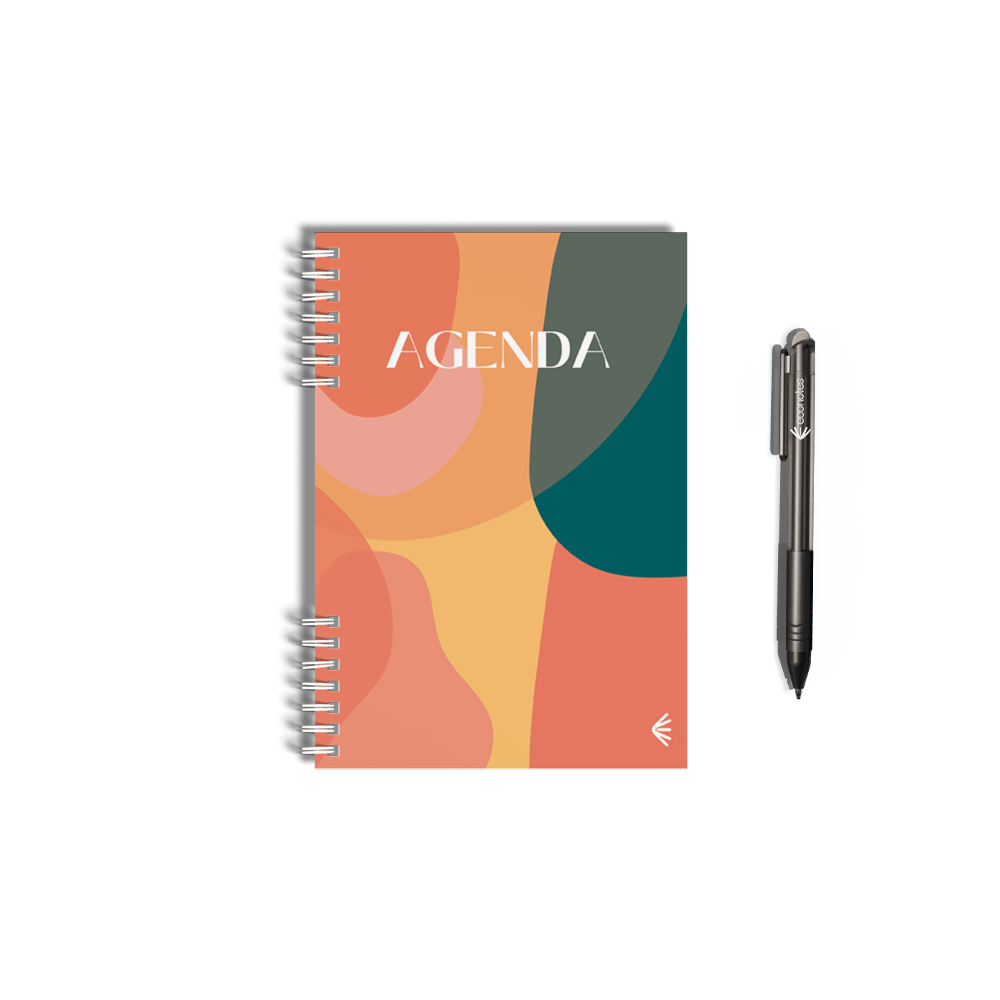
Use a reusable notebook like the ETEA to centralize all writing activities. The child can:
- write an imaginary shopping list
- draft an invitation for a fictional birthday
- note the names of stuffed animals or plush toys
The important thing is that it's their own space, without judgment or obligatory erasing.
📖 5. The word to copy (reverse dictation style)
You write a word, and the child must copy it exactly. Then, they erase it and rewrite it without a model. This routine works very well with simple everyday words.
- Tip: suggest self-correction at the end by comparing it with the initial model
🎯 The right routine is one you keep with pleasure
No need for a laminated sheet or a second-cycle program to help your child write. Sometimes all it takes is 5 minutes, a notebook, a pen... and a little listening.
And if you can erase everything and start over without waste, that's even better 😉
🌟 The ideal companion for writing a little each day
The reusable ETEA notebook allows your child to practice without stress, start over as many times as they want, and progress at their own pace, both at home and at school.