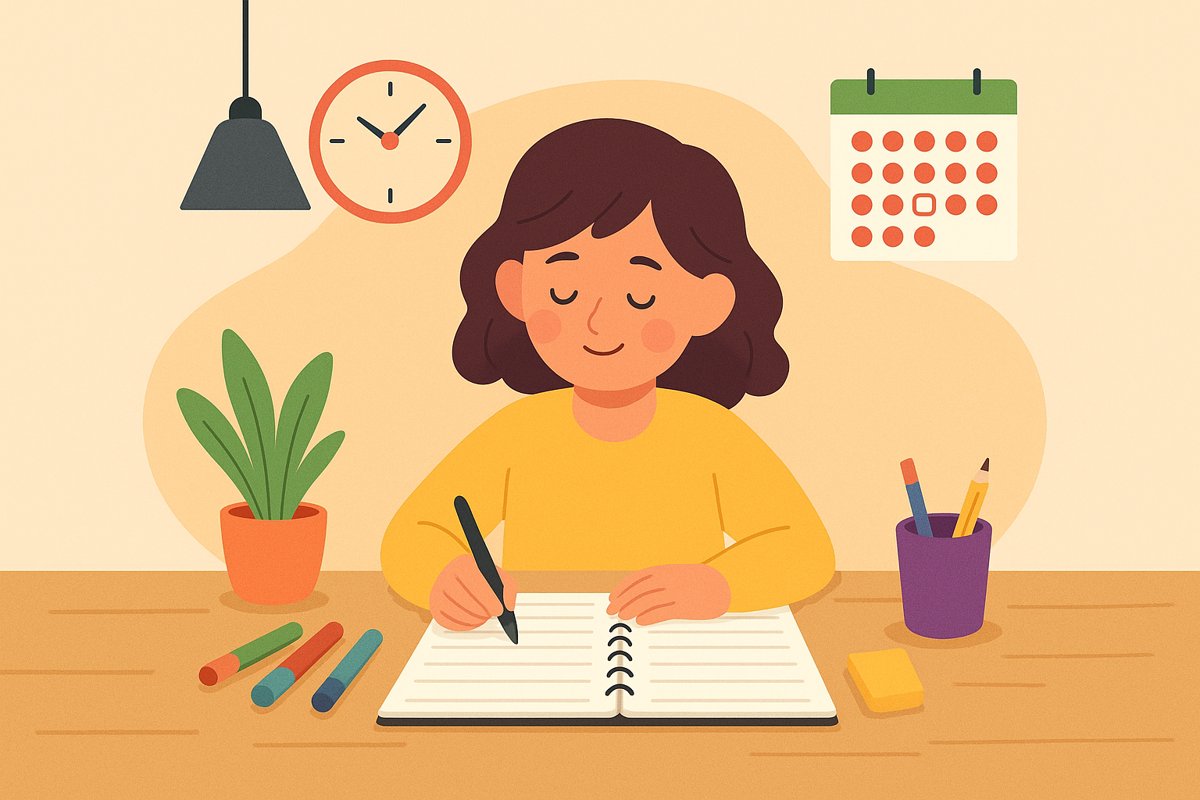

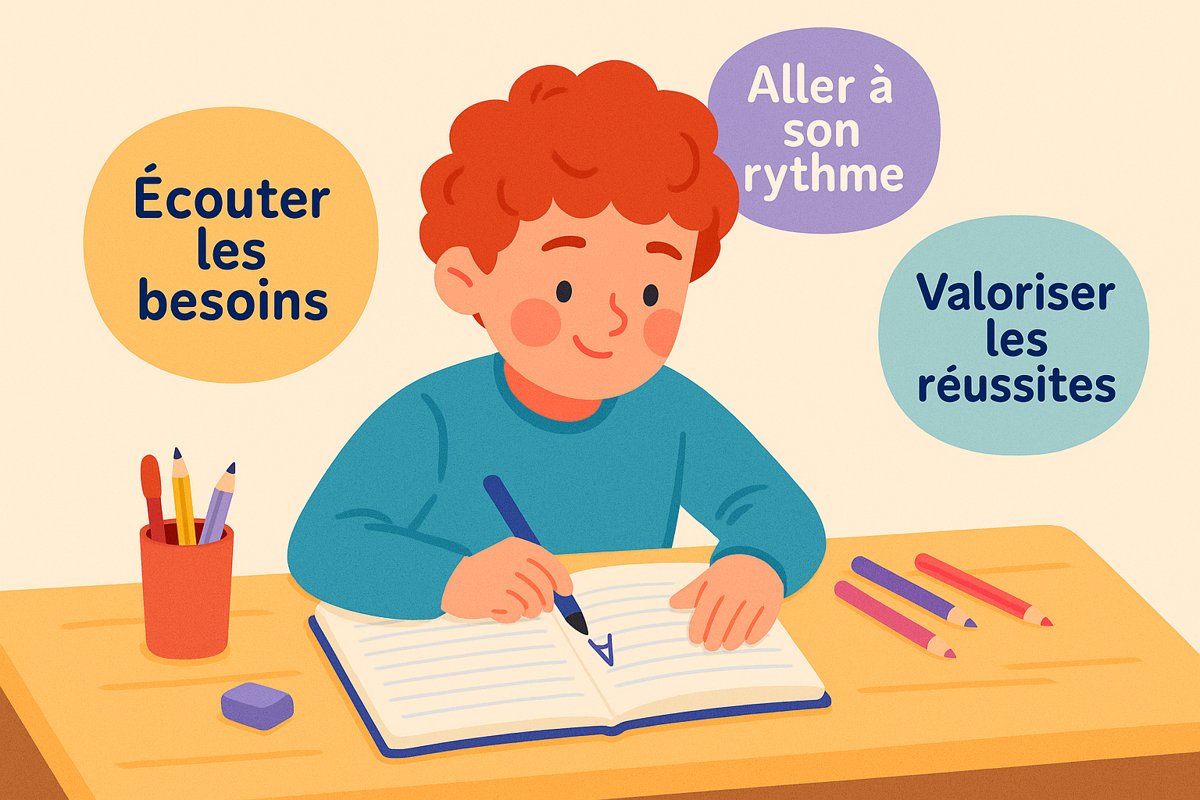
Writing when you have a learning disability (DYS) isn't impossible. But it's different. And sometimes it requires a bit more time, adaptations... and a lot of kindness. If your child is affected by dysgraphia, dyspraxia, or a motor skill disorder, here are some practical tips to help them learn to write without pressure.
🧠 Writing with a DYS disorder: what's the challenge?
Children with DYS disorders can face various difficulties:
- Lack of fluidity in graphic movements
- Muscle tension or pain when writing
- Slowness in copying or dictation
- Discouragement due to the effort required
But these children also have great resources. And with an adapted environment, they can write, progress, and thrive.
✋ What truly helps day-to-day
Here are some simple levers that make a real difference:
- Prioritize comfort: stable seat, good posture, inclined notebook if needed
- Use visual aids: clear models, clearly visible baseline, markers
- Avoid permanent constraints: writing with a pencil or erasable pen
- Encourage repetition without pressure: writing a word multiple times without feeling judged
📝 ETEA: a tool designed for atypical profiles
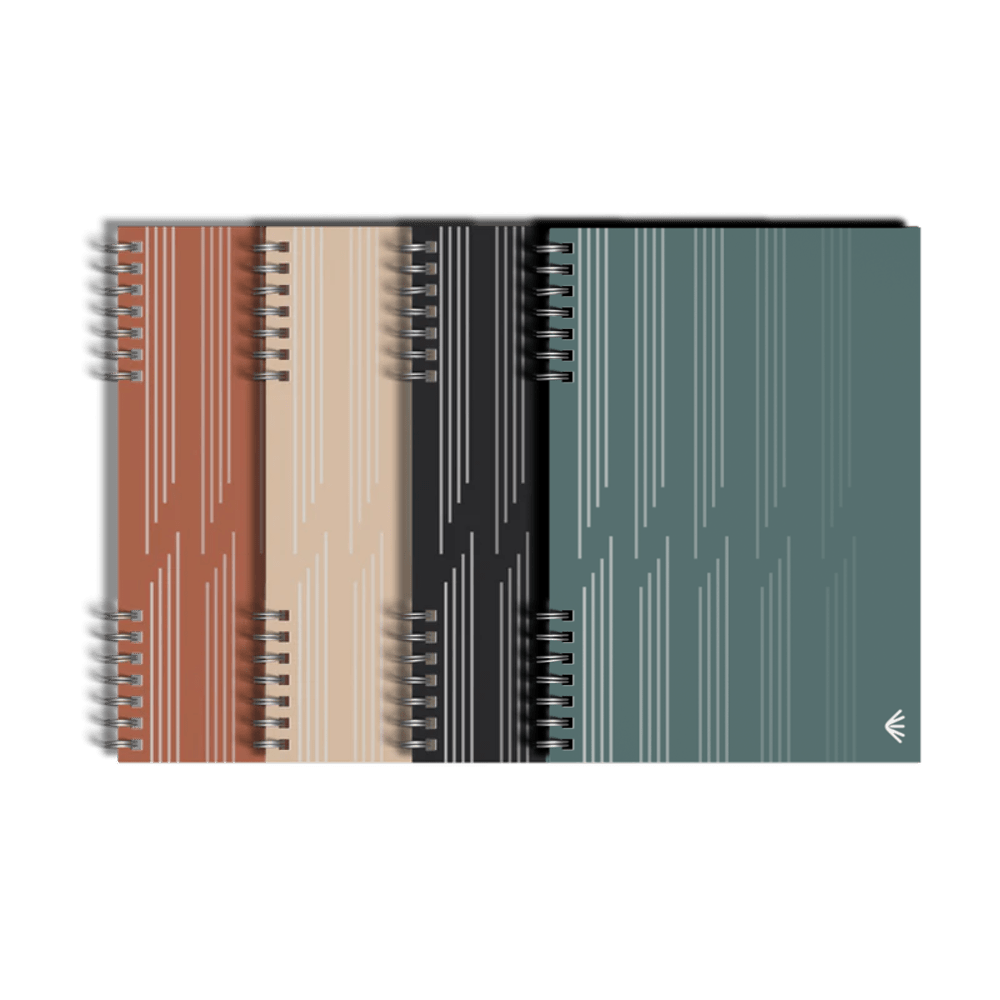
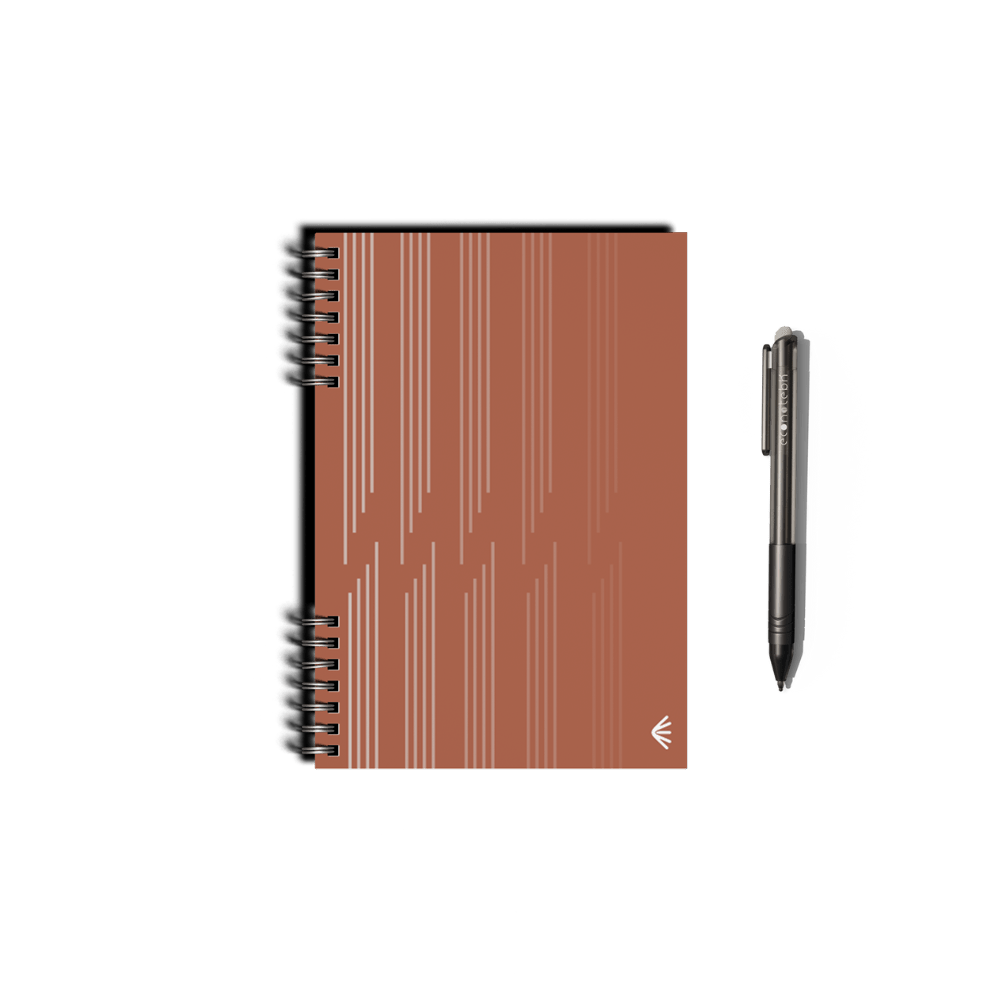
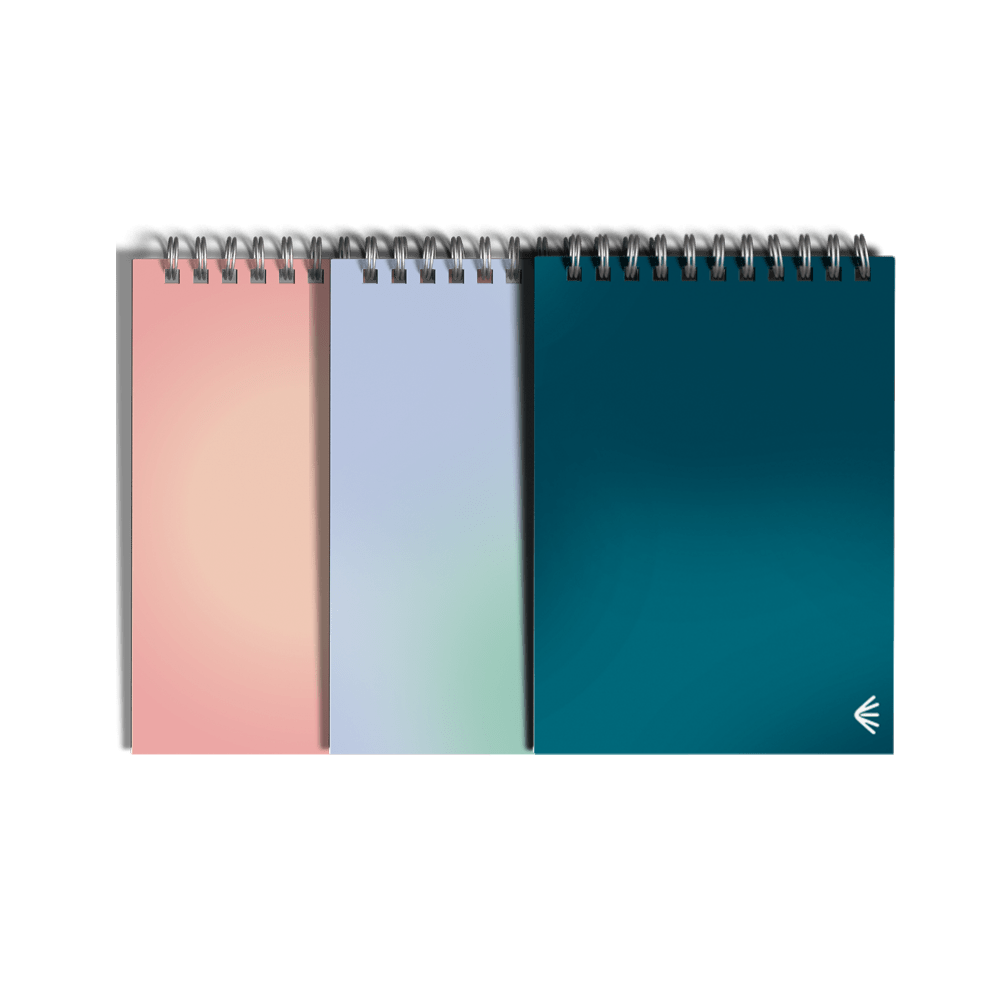
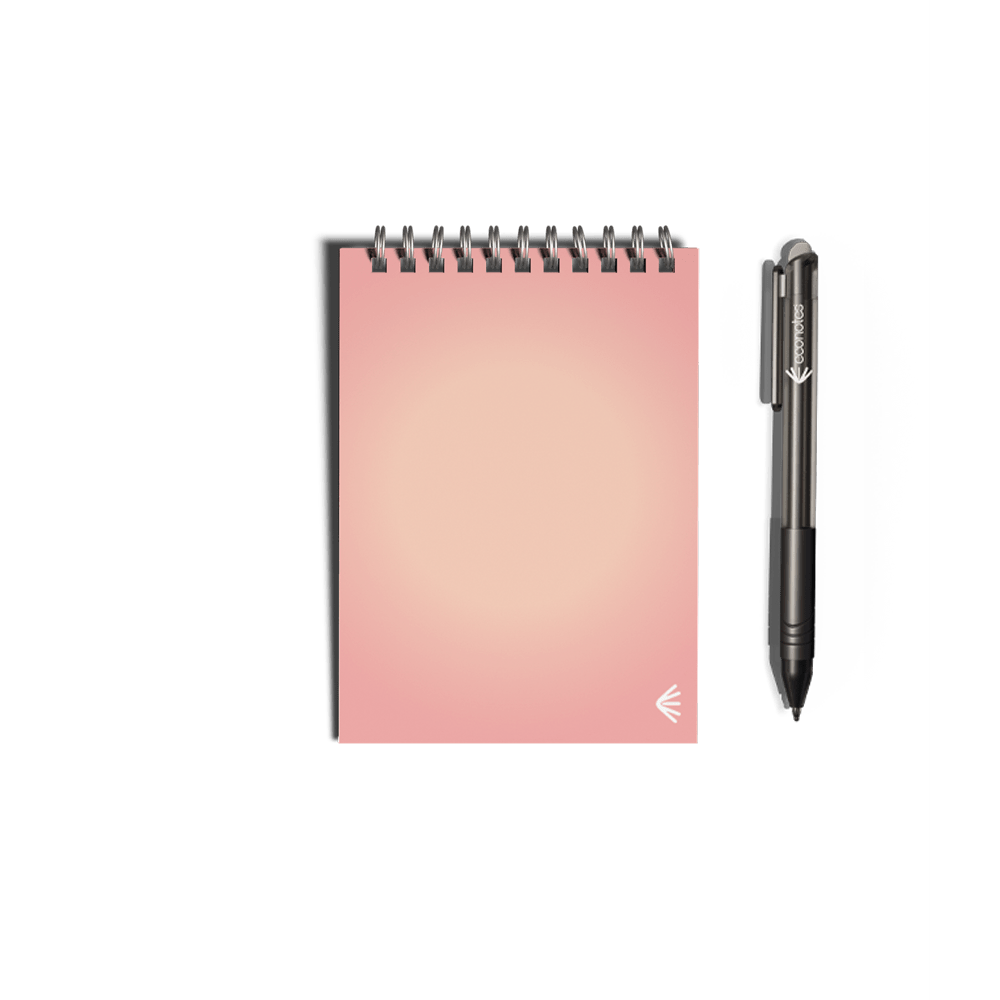
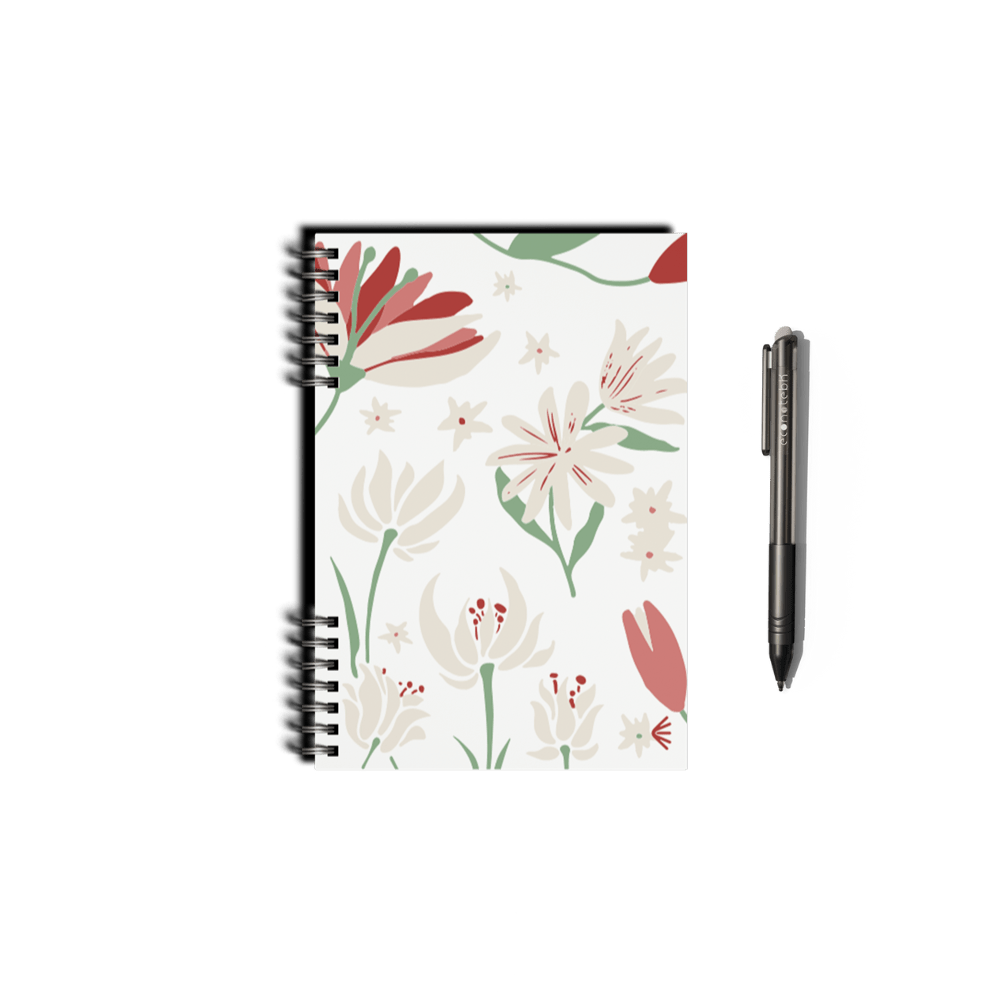
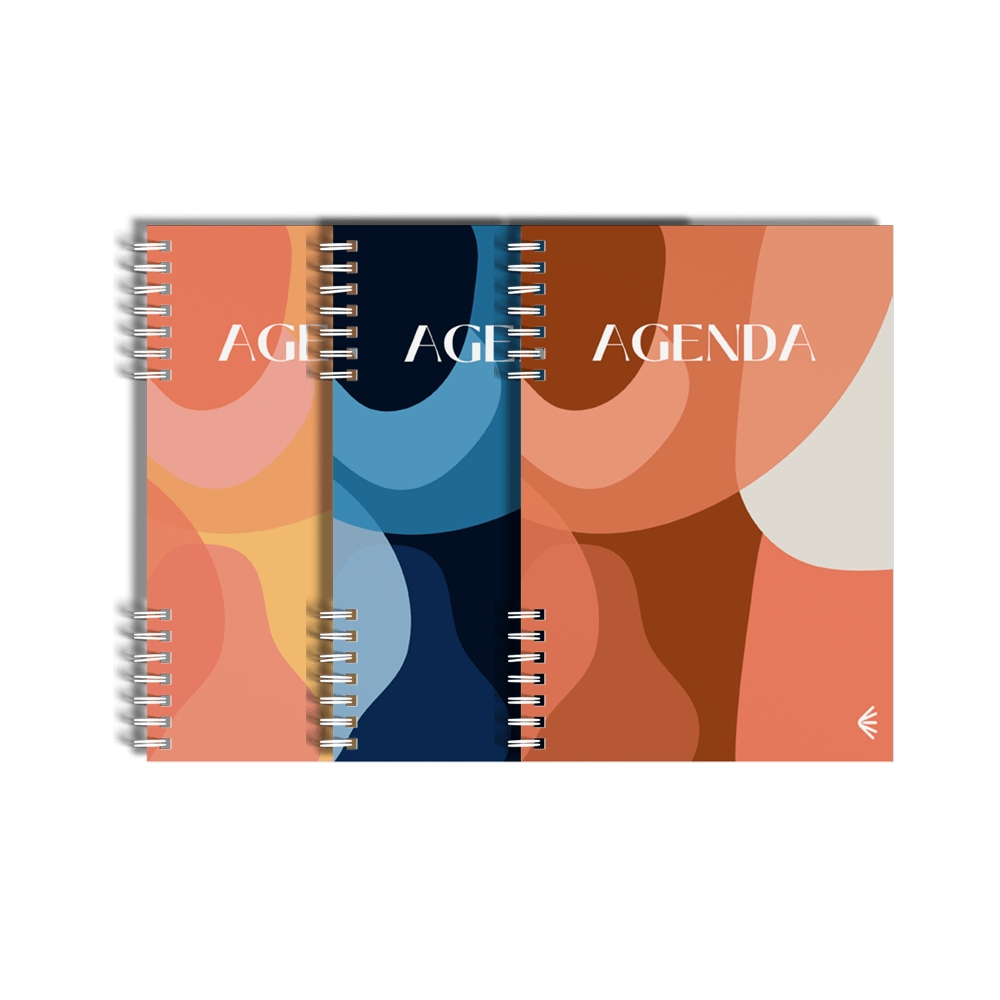
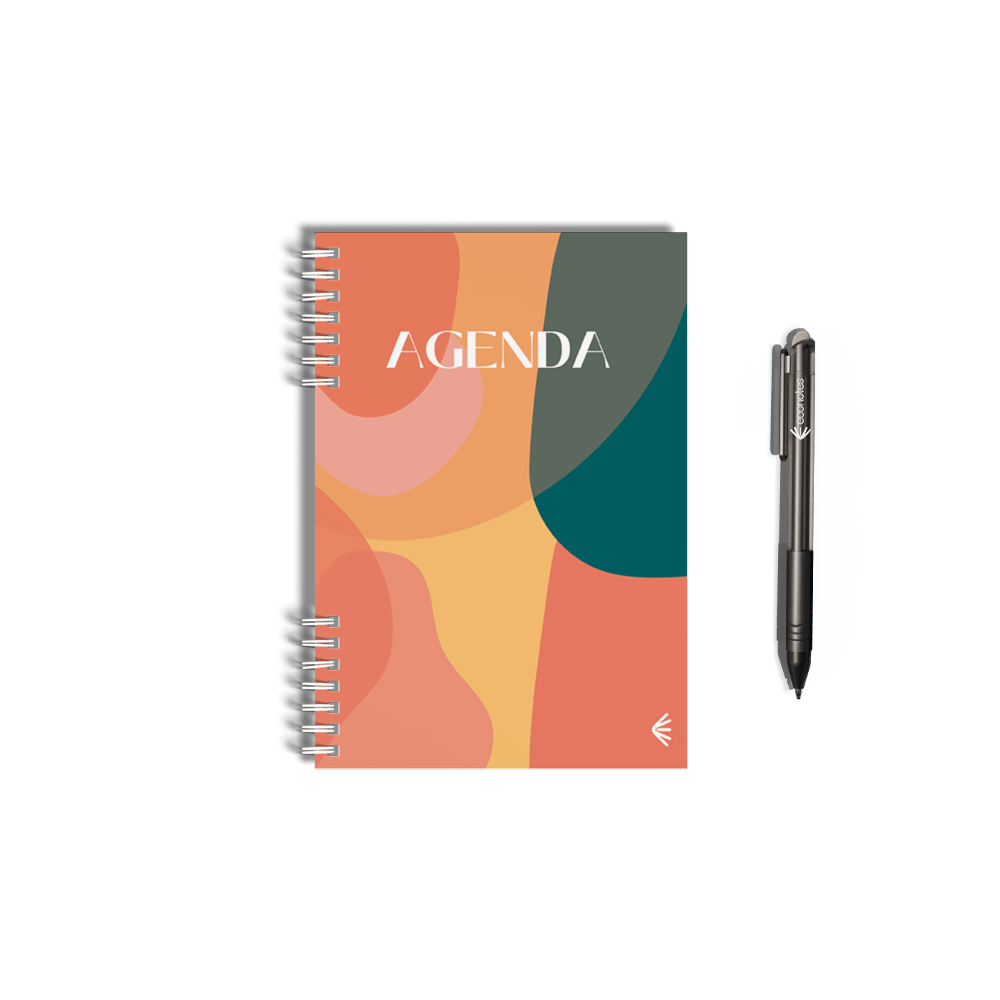
The ETEA reusable notebook is a valuable ally for children with DYS disorders:
- Its erasable pages allow them to start over as many times as necessary
- It doesn't punish mistakes; it welcomes them
- It makes writing more fun and less rigid
- It allows the child to see their progress while maintaining a reassuring framework
💡 It can also be used in speech therapy, in specialized ULIS classes, or at home in a calm setting.
💬 What parents tell us
"My son is dyspraxic, and for him, writing has always been a struggle. With ETEA, he dares to do more. He knows he can start over, that no one will tell him it's 'failed'."
— Élise, mother of a 1st-grade boy
"My daughter uses ETEA during her speech therapy sessions. It's visual, erasable, and very liberating for her."
— Nadège, mother of a child with a DYS disorder
🎯 The journey is what matters
A child with a DYS disorder should not be "caught up." They should be understood, respected, encouraged. And with tools like ETEA, they can progress at their own pace, without fear of making mistakes.
🌟 A reassuring tool for children with DYS disorders
The ETEA reusable notebook helps your child progress at their own pace, without stress or punishment, and with every right to start over.